Buying a used car is one of the most practical ways to own a vehicle without the steep depreciation that comes with a brand-new model. When done right, it can save you thousands while still delivering reliability, comfort, and performance. This guide walks through everything you need to know to make a confident, informed purchase.
Why Buying a Used Car Makes Sense
A used car often delivers better value for money compared to a new vehicle. The biggest advantage is cost efficiency, but the benefits go well beyond price.
Key advantages include:
-
Lower purchase price compared to new cars
-
Reduced depreciation, as most value loss happens early
-
Lower insurance premiums in many cases
-
Wider selection across brands, trims, and years
For buyers on a budget or those seeking maximum value, a used car is usually the smarter financial move.
Understanding Used Car Categories
Not all used cars are the same. Knowing the different categories helps set expectations and avoid surprises.
Pre-Owned vs Certified Pre-Owned (CPO)
-
Standard used cars are sold as-is, often by private sellers or independent dealers
-
Certified Pre-Owned cars are inspected, refurbished, and backed by warranties
CPO vehicles typically cost more but provide added peace of mind through extended coverage and verified condition.
Private Seller vs Dealership
-
Private sellers may offer lower prices but limited protections
-
Dealerships often provide inspections, financing options, and short-term warranties
Your choice depends on your comfort level and risk tolerance.
How to Inspect a Used Car Properly
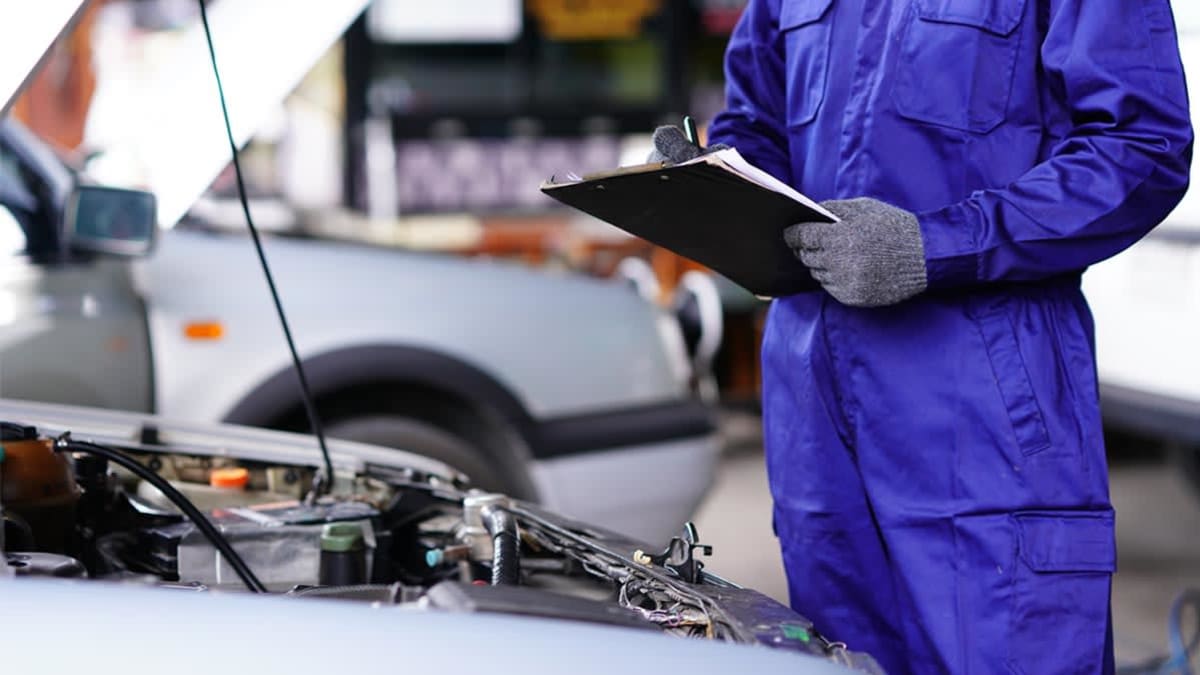
A thorough inspection can save you from expensive repairs later.
What to check before buying:
-
Exterior condition: dents, rust, paint inconsistencies
-
Interior wear: seats, electronics, dashboard warning lights
-
Engine and transmission: leaks, noises, smooth shifting
-
Tires and brakes: uneven wear or excessive damage
If possible, always get a professional inspection from a trusted mechanic.
Vehicle History Matters More Than You Think
A clean-looking car can still hide serious issues. Reviewing its history is essential.
Look for red flags such as:
A transparent history increases confidence and resale value.
Budgeting Beyond the Sticker Price
Many buyers focus only on the car’s price, but ownership costs add up.
Consider these ongoing expenses:
-
Insurance premiums
-
Fuel efficiency
-
Maintenance and repairs
-
Registration and taxes
Setting a realistic budget helps avoid financial stress after the purchase.
Test Drive Like a Pro
A test drive is more than a quick spin around the block.
Pay attention to:
-
Steering response and braking feel
-
Engine acceleration and idle smoothness
-
Suspension comfort on rough roads
-
Visibility and driving ergonomics
Drive in city traffic and on highways if possible to get a complete picture.
Negotiation Tips for Better Deals
Negotiating is expected when buying a used car.
Effective negotiation strategies include:
-
Researching market prices beforehand
-
Pointing out repair needs or wear
-
Staying firm on your budget
-
Being ready to walk away
Confidence and preparation often lead to better outcomes.
Final Thoughts on Buying a Used Car
A used car can be a reliable, economical choice when approached carefully. By researching thoroughly, inspecting diligently, and budgeting wisely, you can secure a vehicle that serves you well for years. Patience and attention to detail are your strongest tools in the process.
Frequently Asked Questions (FAQ)
Is buying a used car better than leasing?
Buying a used car usually costs less over time and builds ownership equity, while leasing focuses on short-term use with ongoing payments.
How old should a used car be for best value?
Cars that are 3–5 years old often offer the best balance between price, reliability, and modern features.
Can I finance a used car?
Yes, most banks, credit unions, and dealerships offer financing options for used vehicles, though rates may vary.
Are high-mileage used cars worth buying?
High-mileage cars can be worthwhile if they are well-maintained and priced appropriately, especially models known for durability.
Should I buy an extended warranty for a used car?
Extended warranties can be beneficial for complex or luxury vehicles, but they’re not always necessary for reliable models.
How long does a typical used car last?
With proper maintenance, many used cars can last 200,000 miles or more.
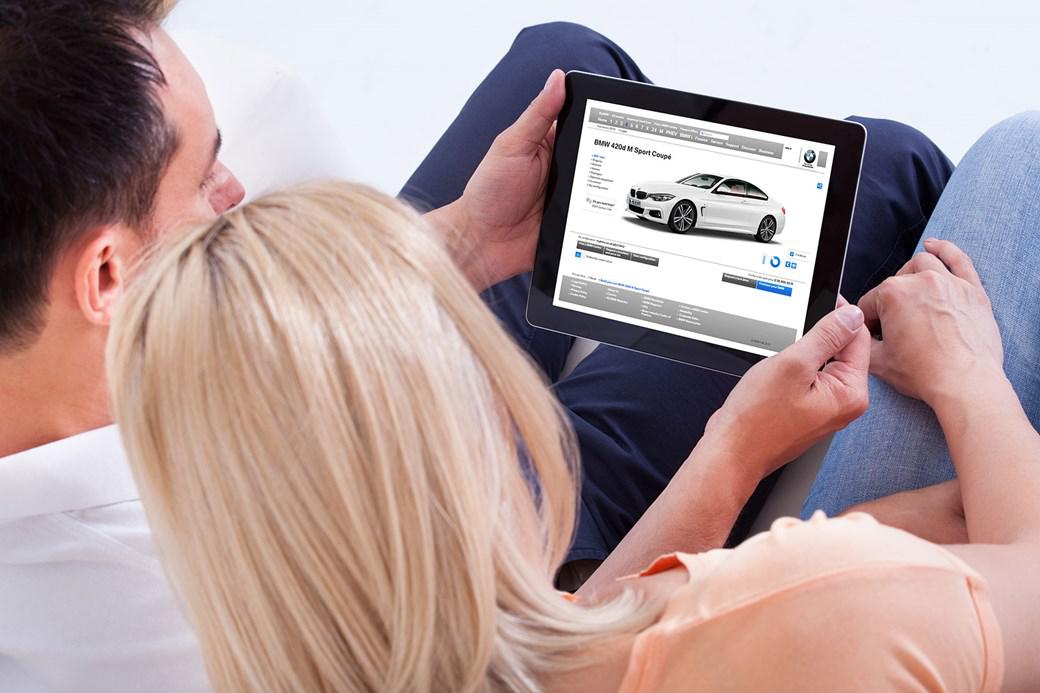
Is it safe to buy a used car online?
Yes, as long as you verify the seller, review the vehicle history, inspect the car, and use secure payment methods.