Auto Parts: A Complete Guide to Vehicle Components and Their Importance
Auto parts are the backbone of every vehicle, working together to ensure safety, performance, and reliability. Whether you are a car owner, a DIY enthusiast, or someone planning to replace worn components, understanding auto parts helps you make informed decisions and avoid costly mistakes. This guide explores the essential categories of auto parts, their functions, and what to consider when choosing replacements.
What Are Auto Parts?
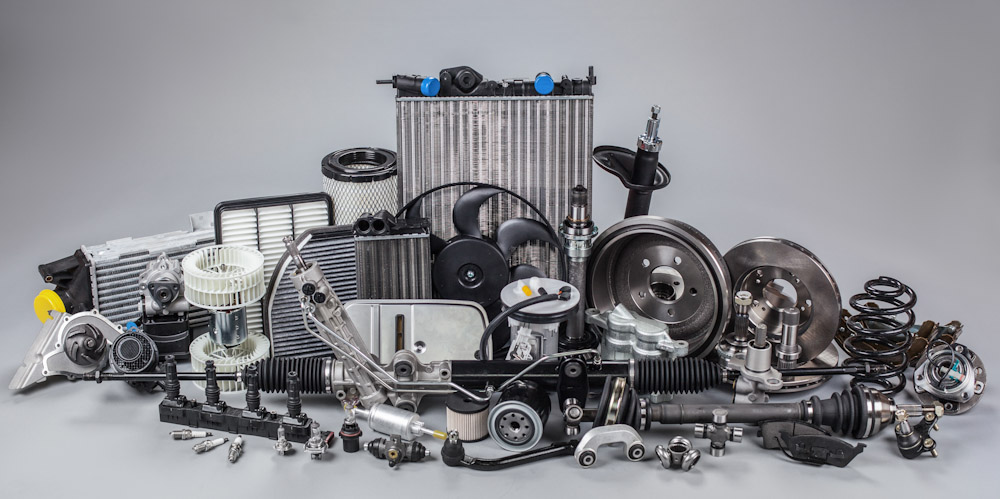
Auto parts are individual components that make up a vehicle’s mechanical, electrical, and structural systems. Each part has a specific role, and even a minor failure can affect overall performance. From engine components to small electrical sensors, auto parts are designed to operate under demanding conditions.
Modern vehicles rely on thousands of interconnected parts, making quality and compatibility crucial when repairs or upgrades are required.
Major Categories of Auto Parts
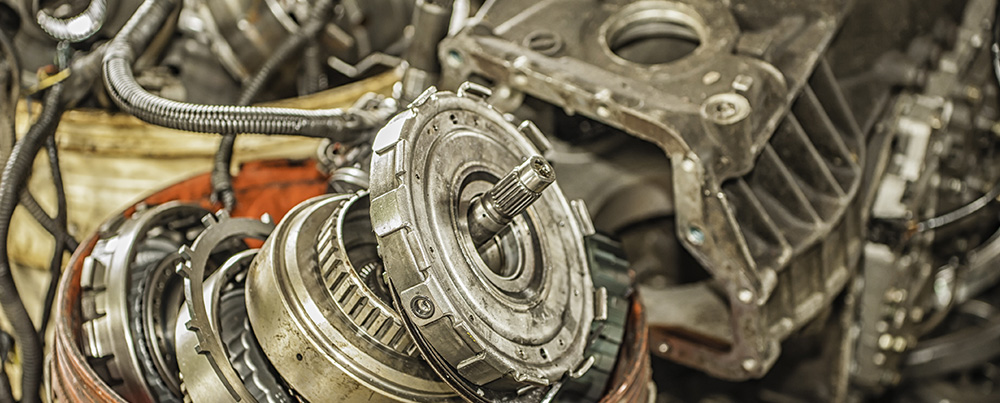
Engine and Powertrain Components
The engine and powertrain are responsible for generating and delivering power to the wheels. These parts directly impact fuel efficiency and performance.
Common engine and powertrain parts include:
-
Pistons, crankshafts, and camshafts
-
Timing belts and timing chains
-
Fuel injectors and fuel pumps
-
Transmission and clutch components
A well-maintained powertrain ensures smooth acceleration and long engine life.
Brake System Parts
The braking system is one of the most critical safety systems in any vehicle. Reliable brakes allow controlled stopping and reduce accident risk.
Key brake components:
-
Brake pads and brake shoes
-
Brake rotors and drums
-
Calipers and master cylinders
-
Brake lines and brake fluid
Regular inspection of brake parts helps prevent sudden failures and maintains optimal stopping power.
Suspension and Steering Parts
Suspension and steering systems provide stability, comfort, and precise vehicle control. Worn suspension parts can lead to uneven tire wear and poor handling.
Important suspension and steering parts include:
-
Shock absorbers and struts
-
Control arms and ball joints
-
Tie rods and steering racks
-
Bushings and sway bars
High-quality suspension parts improve ride comfort and road grip.
Electrical and Electronic Components
Modern vehicles rely heavily on electrical systems for both basic and advanced functions. Faulty electrical parts can affect starting, lighting, and onboard technology.
Common electrical parts:
-
Batteries and alternators
-
Starters and ignition coils
-
Sensors and control modules
-
Lighting systems and wiring harnesses
Reliable electrical components ensure smooth operation of safety and convenience features.
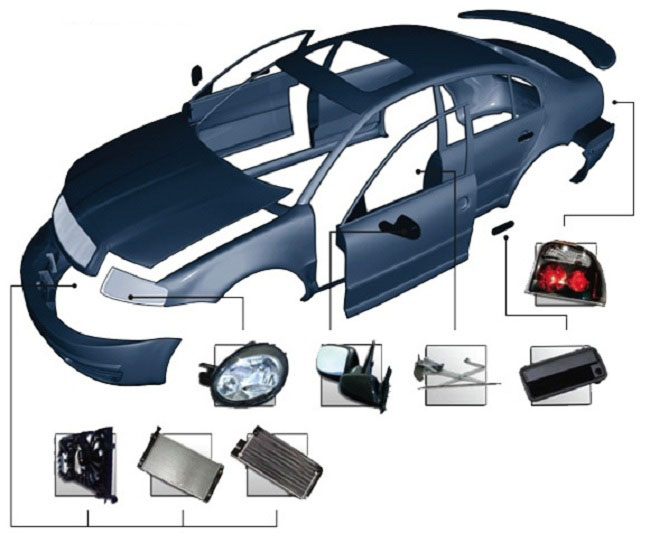
Body and Exterior Parts
Body parts protect internal systems and contribute to aerodynamics and appearance. Damage to these parts can impact both safety and resale value.
Typical body and exterior parts include:
-
Bumpers and fenders
-
Doors and mirrors
-
Hoods and trunk lids
-
Grilles and headlights
Using properly fitted body parts helps maintain structural integrity.
OEM vs Aftermarket Auto Parts
Choosing between OEM (Original Equipment Manufacturer) and aftermarket parts is a common decision during repairs.
OEM parts:
-
Designed specifically for your vehicle model
-
Consistent quality and fit
-
Often more expensive
Aftermarket parts:
-
Produced by third-party manufacturers
-
Wider price range and availability
-
Quality varies by brand
Both options can be reliable when sourced from trusted suppliers.
How to Choose the Right Auto Parts
Selecting the correct auto parts requires attention to detail and compatibility.
Consider the following factors:
-
Vehicle make, model, and year
-
Part specifications and material quality
-
Warranty and return policy
-
Brand reputation and reviews
Choosing the right parts reduces installation issues and improves long-term performance.
Importance of Regular Maintenance
Regular replacement of worn auto parts prevents breakdowns and extends vehicle life. Ignoring small issues often leads to larger, more expensive repairs. Preventive maintenance also improves fuel efficiency and driving safety.
Keeping service intervals and inspecting critical components helps maintain consistent performance.
FAQs About Auto Parts
What are the most commonly replaced auto parts?
Brake pads, air filters, oil filters, batteries, and spark plugs are among the most frequently replaced parts due to regular wear.
How can I tell if an auto part needs replacement?
Warning lights, unusual noises, vibrations, reduced performance, and visible wear are common signs that a part may need replacement.
Are used auto parts reliable?
Used parts can be reliable if sourced from reputable suppliers and properly inspected, but they may have a shorter lifespan than new parts.
Do aftermarket auto parts affect vehicle warranty?
In many cases, aftermarket parts do not void a warranty, but improper installation or low-quality components can cause issues.
How often should I inspect my vehicle’s auto parts?
Basic inspections should be done during routine servicing, while critical systems like brakes and suspension should be checked at least once a year.
Is it better to replace auto parts individually or as a set?
Some parts, such as brake pads or suspension components, are best replaced in pairs or sets to ensure balanced performance.
Can I install auto parts myself?
Simple replacements like filters or batteries can be done at home, but complex components should be installed by a qualified professional to ensure safety and proper fit.