How Vehicles Evolved and Shaped Modern Transportation
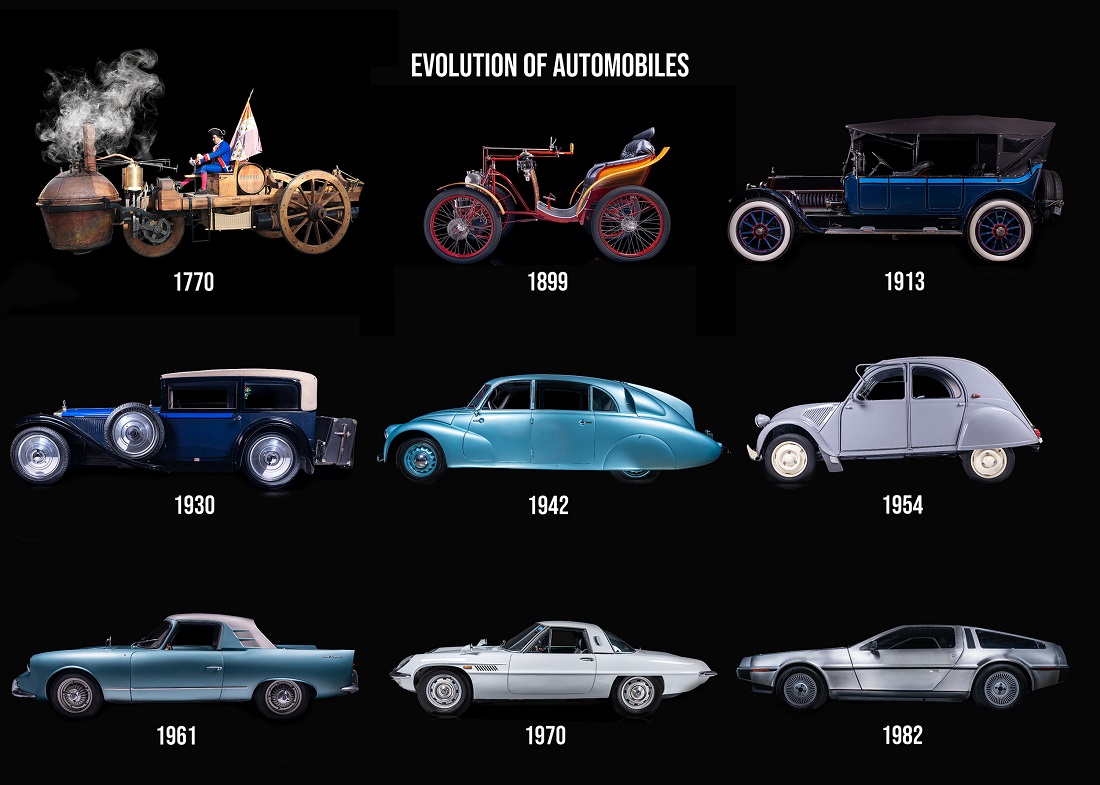
Vehicles have played a decisive role in shaping modern transportation systems and redefining how societies function. From primitive transport methods to intelligent, connected machines, the evolution of vehicles reflects humanity’s pursuit of speed, efficiency, safety, and convenience. Today’s transportation landscape is a direct outcome of centuries of mechanical innovation and technological progress.
Early Stages of Vehicle Evolution
Transportation began with simple solutions designed to reduce physical effort and extend human mobility.
Animal-Powered Transportation
-
Carts and wagons pulled by horses, oxen, and camels
-
Enabled trade routes and early urban development
-
Limited by speed, endurance, and distance
Water-Based Vehicles
-
Canoes and sailboats used for trade and exploration
-
Critical for the growth of coastal and river-based civilizations
Industrial Revolution and Mechanical Advancements
The Industrial Revolution marked a turning point in vehicle development by introducing mechanized power.
Steam-Powered Vehicles
-
Steam engines powered early trains and road vehicles
-
Revolutionized mass transportation and goods movement
-
Laid the foundation for modern public transport systems
Rise of Internal Combustion Engines
-
Gasoline and diesel engines replaced steam technology
-
Improved speed, reliability, and affordability
-
Enabled personal vehicle ownership on a large scale
The Expansion of Road Transportation
As vehicles became more accessible, road networks expanded rapidly.
Impact on Society
-
Growth of suburbs and urban sprawl
-
Increased personal mobility and independence
-
Transformation of industries such as logistics, tourism, and retail
Standardization and Mass Production
-
Assembly-line manufacturing reduced costs
-
Vehicles became available to middle-income households
-
Road safety regulations and traffic laws emerged
Technological Advancements in Modern Vehicles
Modern vehicles are sophisticated systems that integrate mechanics, electronics, and software.
Key Technological Developments
-
Electronic control units (ECUs) for engine and performance management
-
Infotainment systems for navigation and connectivity
-
Sensors and cameras for enhanced awareness
-
Advanced materials for lighter and stronger vehicle structures
Safety Evolution in Transportation
Vehicle safety has significantly improved over time, saving millions of lives.
Major Safety Innovations
-
Seatbelts and airbags
-
Anti-lock Braking System (ABS)
-
Electronic Stability Control (ESC)
-
Advanced Driver Assistance Systems (ADAS):
-
Lane departure warnings
-
Blind-spot monitoring
-
Automatic emergency braking
-
Environmental Influence of Vehicle Growth
While vehicles improved mobility, they also introduced environmental challenges.
Environmental Concerns
-
Air pollution from exhaust emissions
-
Dependence on fossil fuels
-
Contribution to climate change
Shift Toward Sustainable Transportation
-
Rapid adoption of electric vehicles (EVs)
-
Development of hybrid and hydrogen-powered vehicles
-
Improved fuel efficiency standards
-
Focus on renewable energy integration
How Vehicles Shaped Modern Transportation Systems
Vehicles directly influenced the structure of modern cities and infrastructure.
Transportation Infrastructure
-
Highways, expressways, and bridges
-
Parking facilities and charging stations
-
Intelligent traffic management systems
Economic and Social Impact
-
Faster movement of goods and services
-
Expansion of global trade
-
Improved emergency response and healthcare access
The Future of Vehicle-Based Transportation
The next phase of vehicle evolution is driven by innovation and sustainability.
Emerging Transportation Trends
-
Autonomous vehicles reducing human error
-
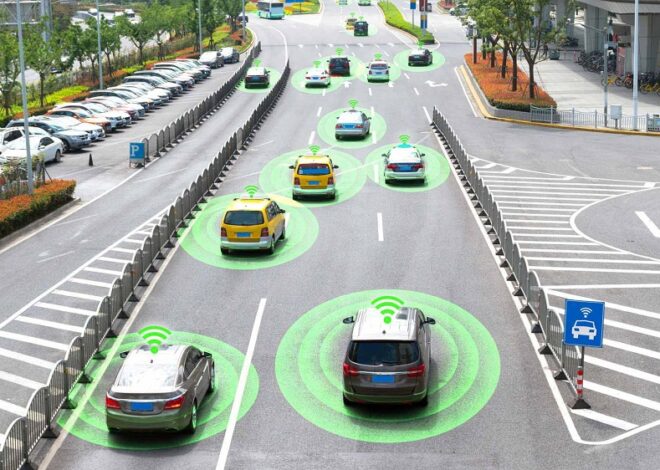
Connected vehicles communicating with smart infrastructure
-
Shared mobility solutions reducing ownership dependency
-
Smart cities integrating vehicles into digital ecosystems
Advantages and Ongoing Challenges
Advantages
-
Efficient long-distance and urban travel
-
Increased safety and comfort
-
Economic growth and employment creation
Challenges
-
Traffic congestion in urban areas
-
Infrastructure adaptation for new technologies
-
Cybersecurity and data privacy risks
-
Environmental sustainability concerns
Conclusion
The evolution of vehicles has fundamentally shaped modern transportation by transforming how people move, cities expand, and economies grow. As technology advances, vehicles are becoming cleaner, smarter, and safer, promising a future where transportation is more sustainable, efficient, and accessible for everyone.
Frequently Asked Questions (FAQs)
1. What was the earliest form of vehicle used by humans?
Animal-drawn carts and simple boats were among the earliest vehicles used for transportation.
2. How did vehicles influence urban development?
Vehicles enabled city expansion, suburban growth, and the development of road-based infrastructure.
3. Why are electric vehicles important for the future?
Electric vehicles help reduce emissions, lower fuel dependency, and support sustainable transportation goals.
4. How have vehicles improved road safety over time?
Advancements such as airbags, ABS, and driver-assistance systems have significantly reduced accidents.
5. What role do vehicles play in global trade?
Vehicles allow efficient transportation of raw materials and finished goods across regions and countries.
6. Will autonomous vehicles replace traditional driving?
Autonomous vehicles are expected to reduce manual driving, but full replacement will occur gradually.
7. How do vehicles contribute to economic growth?
They support industries, create jobs, improve logistics, and enhance access to markets and services.