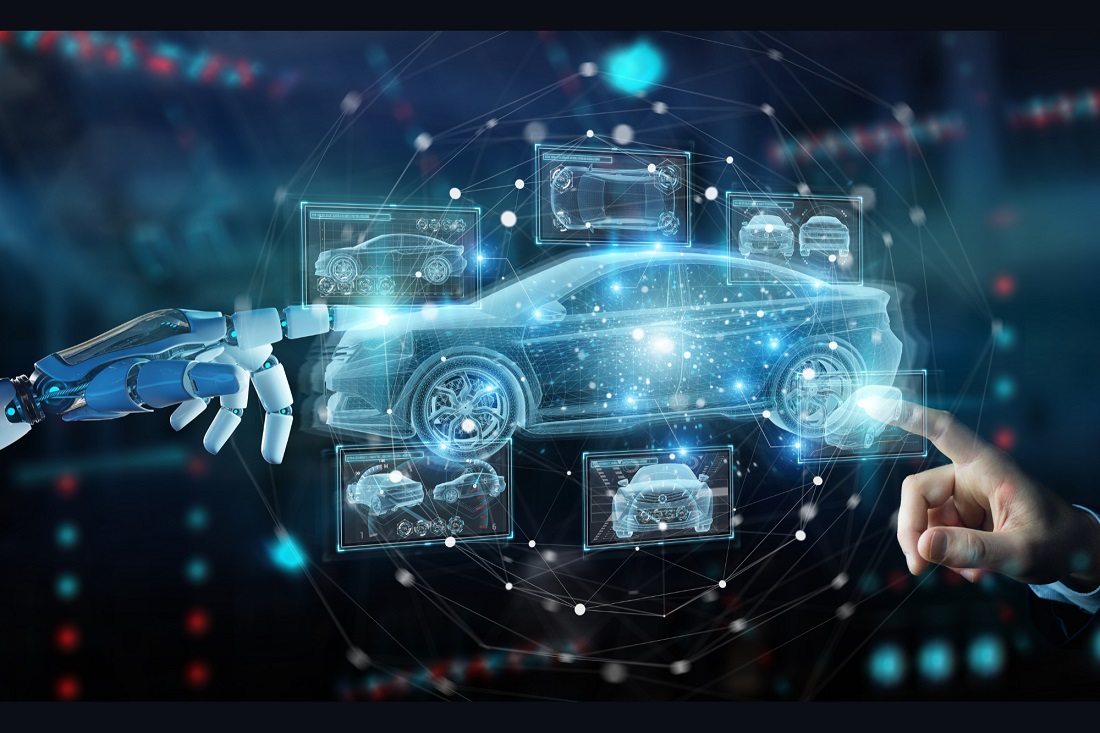
The Evolving Automotive Industry: Technology, Trends, and What Lies Ahead
The automotive industry is undergoing one of the most significant transformations in its history. What was once defined by mechanical engineering and fuel efficiency is now shaped by software, electrification, connectivity, and sustainability. From how vehicles are powered to how they interact with drivers and infrastructure, the modern automobile is becoming a sophisticated mobility platform rather than just a means of transportation.
The Shift Toward Electrification
One of the most impactful developments in the automotive sector is the rapid adoption of electric vehicles (EVs). Governments, manufacturers, and consumers are increasingly aligned in reducing reliance on internal combustion engines.
Key drivers behind electrification include:
-
Stricter emission regulations across major markets
-
Lower operating costs compared to gasoline-powered vehicles
-
Advancements in battery technology, offering longer range and faster charging
-
Growing environmental awareness among consumers
As charging infrastructure expands and battery prices decline, electric vehicles are becoming a practical option for a wider audience.
Rise of Connected and Smart Vehicles
Modern vehicles are no longer isolated machines. They are increasingly connected, using the internet and onboard sensors to enhance safety, convenience, and performance.
Common features in connected cars:
-
Real-time navigation and traffic updates
-
Remote vehicle monitoring via smartphone apps
-
Over-the-air software updates
-
Predictive maintenance alerts
This connectivity allows automakers to improve vehicles long after purchase, making cars more adaptable and future-ready.
Autonomous Driving: Progress and Limitations
Self-driving technology continues to evolve, though full autonomy remains a long-term goal. Today’s vehicles already incorporate advanced driver-assistance systems (ADAS) that reduce driver workload and improve safety.
Examples of current autonomous features:
-
Adaptive cruise control
-
Lane-keeping assistance
-
Automatic emergency braking
-
Blind-spot monitoring
While fully autonomous vehicles face regulatory, ethical, and technical challenges, partial automation is already making roads safer.
Sustainability Beyond the Powertrain
Sustainability in automotive manufacturing now extends beyond fuel type. Automakers are rethinking how vehicles are built, from raw materials to end-of-life recycling.
Sustainable practices gaining traction:
-
Use of recycled plastics and metals
-
Eco-friendly interiors made from plant-based or synthetic fibers
-
Energy-efficient manufacturing plants
-
Vehicle recycling and battery reuse programs
These efforts reduce environmental impact while aligning brands with global sustainability goals.
The Changing Consumer Experience
The way people buy and use cars is also changing. Digital platforms and flexible ownership models are reshaping customer expectations.
Notable shifts in consumer behavior:
-
Growth of online vehicle purchasing
-
Increased interest in subscription and leasing models
-
Demand for personalized in-car technology
-
Preference for software-driven features over traditional hardware upgrades
Cars are now evaluated as much for their digital experience as for their driving performance.
Challenges Facing the Automotive Industry
Despite rapid innovation, the industry faces several obstacles that could shape its future direction.
Major challenges include:
-
Supply chain disruptions, particularly for semiconductors
-
High development costs for new technologies
-
Cybersecurity risks in connected vehicles
-
Balancing affordability with advanced features
Successfully navigating these challenges will determine which manufacturers thrive in the coming decade.
The Road Ahead
The automotive industry is moving toward a future defined by clean energy, intelligent systems, and user-centric design. Vehicles will continue to evolve from standalone machines into integrated components of a larger mobility ecosystem. For consumers, this means safer, smarter, and more sustainable transportation options.
Frequently Asked Questions (FAQ)
1. How long do electric vehicle batteries typically last?
Most EV batteries are designed to last 8–15 years, depending on usage, climate, and charging habits.
2. Are electric vehicles more expensive to maintain than traditional cars?
No. EVs generally have lower maintenance costs because they have fewer moving parts and don’t require oil changes.
3. What is the difference between autonomous driving levels?
Autonomous driving ranges from Level 0 (no automation) to Level 5 (full automation), with most current vehicles operating at Levels 2 or 3.
4. How secure are connected vehicles from cyber threats?
Manufacturers invest heavily in vehicle cybersecurity, but regular software updates and secure networks remain essential to minimize risks.
5. Will gasoline-powered cars disappear completely?
Gasoline vehicles are expected to decline gradually, but they will likely coexist with electric and hybrid vehicles for many years.
6. What role does software play in modern cars?
Software controls everything from infotainment and navigation to safety systems and performance optimization.
7. How is sustainability influencing car design?
Sustainability impacts materials, manufacturing processes, energy use, and recycling, making vehicles more environmentally responsible from production to disposal.